
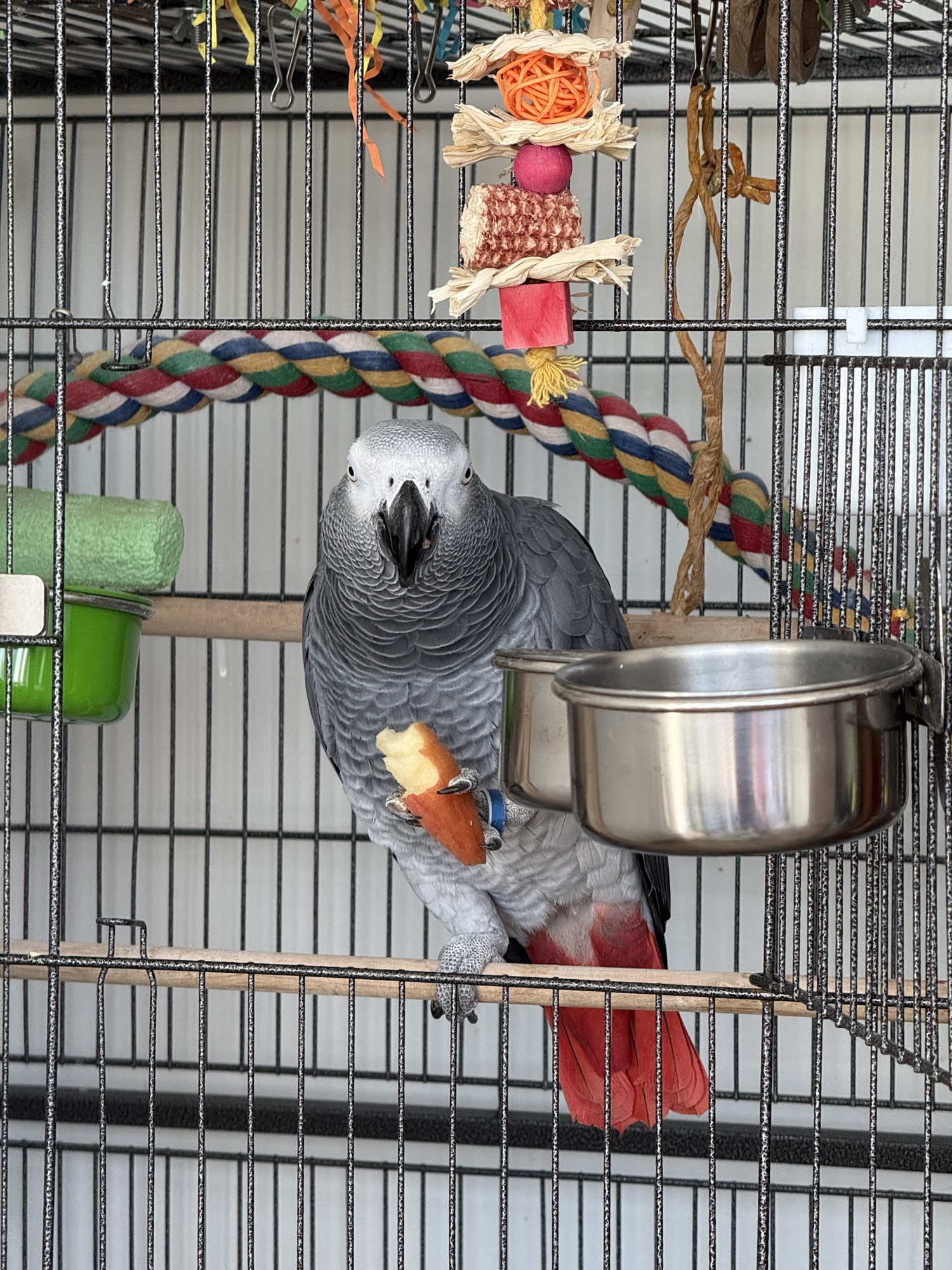
Keeping parrots safe in the home requires more than avoiding candles or Teflon pans. Many of the most dangerous household items are things new—and even experienced—bird owners never think about. Parrots are curious, fearless, and exceptionally sensitive to toxins, fumes, and physical hazards. This guide highlights the lesser-known but highly dangerous items commonly found in homes that can harm or even kill a bird.
This article is optimized for searches such as parrot safety, bird-proofing your home, household dangers for parrots, toxic items for birds, and how to keep parrots safe indoors.
Kitchen and Cooking Dangers
Nonstick Coatings (Teflon, PTFE, PFOA)
Toxic fumes from overheated nonstick coatings can kill a bird within minutes. These coatings appear in more than just cookware:
Air fryers Waffle makers Toaster ovens Space heaters Hair dryers Hair straighteners Baking tins
If an appliance is labeled “nonstick,” “easy clean,” or “PTFE/PFOA-free,” research it carefully before use near birds.
Microwave Popcorn Bags
Some microwave popcorn bags contain coatings that release unsafe fumes when heated.
Garlic and Onion
Both are toxic to birds and are commonly hidden in prepared foods, takeout, sauces, soups, and rotisserie chicken. Even small amounts can be harmful.
Oven Smoke and Burnt Food
A dirty oven or burnt food can produce fumes that irritate a bird’s respiratory system.
Oven Cleaners
Many oven-cleaning products release fumes dangerous to birds, even if used in another room.
Toxic Foods and Plants
Avocado
All parts of the avocado plant—including flesh, leaves, pit, and oil—are toxic to parrots.
Apricot Pits
Contain cyanogenic compounds that are dangerous if ingested.
Common Houseplants
Many popular houseplants can be toxic to birds, including:
Philodendrons Poinsettias Rhododendrons Lilies
Chocolate
Contains theobromine and caffeine, which are toxic to all parrots.
Cleaning Products and Chemicals
Bleach and Strong Cleaners
Even diluted fumes can drift through the home and damage a bird’s lungs.
Aerosol Sprays
Deodorants, air fresheners, hair sprays, and cleaning aerosols can irritate or poison a bird. Visitors should be warned not to spray products indoors.
Dishwasher Cleaners
Mixing acetic acid (vinegar-based cleaners) with detergent residue can create an invisible toxic gas harmful to birds.
Insect Foggers
Fogging products can leave lingering residue. In one reported case, a bird died even after the owner waited the recommended amount of time before returning home.
Laundry Products and Fabric Softeners
Strong fragrances and chemical residues can irritate sensitive respiratory systems.
Essential Oil Diffusers
Many essential oils are unsafe for parrots when vaporized into the air.
Oven Cooking Bags
Some cooking bags contain chemical coatings that release fumes when heated.
Air and Environmental Risks
Ceiling Fans
Never operate a ceiling fan when a bird is flying or out of the cage.
Space Heaters
Many heaters contain nonstick coatings. Oil-filled radiator heaters are generally considered the safest choice for bird homes.
Vacuum Cleaners
Extremely loud vacuums can damage a bird’s sensitive hearing.
Scented Plug-Ins
Plug-in air fresheners can release chemicals that irritate bird lungs.
Home Routine Hazards
Children and Doors
Children may slam doors without realizing a bird is perched on top. This can cause severe injury or death.
Unexpected Visitors
A person opening the front door without warning can cause a bird to escape.
Guests Using Aerosols
Visitors may use body spray, deodorant, or perfume indoors unless instructed otherwise.
Falling Asleep With Your Bird Out
Sleeping on the couch or bed with a loose bird increases the risk of accidental injury.
Water and Small-Space Dangers
Open Containers of Water
Birds can drown in small spaces such as:
Glasses of water Vases Buckets Toilets Fish tanks Deep sinks
Paper Towel Rolls
Small birds can crawl inside cardboard cores and become trapped.
Gaps Behind Furniture
A bird can fall behind a bookshelf, dresser, or appliance and be unable to climb out.
Toys, Ropes, and Materials
Zinc-Coated Metals
Chains, clips, and hardware not labeled as stainless steel may contain zinc, which can cause heavy metal toxicity.
Snap-Lock Fasteners
Common on toys and chains; toes and beaks can become trapped in the mechanism.
Hard Plastic Toys
Hard plastic can splinter when chewed, leading to dangerous internal injuries if swallowed.
Cotton Rope (Bird-Safe vs. Unsafe Rope)
Even bird-safe rope must be inspected regularly for fraying.
Unraveled Rope (Major Choking Hazard)
Household rope not designed for birds—cotton, jute, hemp, sisal, or paracord—can unravel quickly. Loose fibers can:
Wrap around the tongue and choke the bird Become lodged in the throat Tighten around the beak or neck Cause crop impaction if swallowed Wrap around toes and induce panic or injury
Only use rope toys specifically manufactured for parrots.
Jingle Bells
Tongues and beaks can become stuck inside the bell opening.
Lobster-Claw Hooks
Pinch points can trap a bird’s tongue or toe.
Rusty Surfaces
Rust can lead to metal toxicity.
Outdoor Branches
Branches must be pesticide-free and collected far from roadways.
Holiday Risks
Christmas Trees
Birds may chew sap, plastic ornaments, or sharp metal hooks.
Tinsel and Ribbon
Both can cause dangerous intestinal blockages. Ribbon can also snag toenails.
String Lights
Chewing electrical wiring poses a risk of shock or burns.
Medication and Human Items
Medicine Bottles and Pills
Birds may chew through packaging or ingest pills.
Styrofoam
Not chemically toxic but can cause fatal blockages if swallowed.
Other Pets
Dogs, cats, ferrets, reptiles, and even fish tanks pose risks if birds have unsupervised access.
Conclusion
Parrot safety requires awareness, preparation, and constant vigilance. Many household items that seem harmless can be dangerous to a bird’s respiratory system, digestive system, or physical safety. By understanding these hidden hazards and making small adjustments, bird owners can create a significantly safer environment for their pets.
This guide can be shared with new bird owners or added to any bird-care website or resource list. The more knowledge we spread, the more lives we protect.
Citation:
Leave a Reply